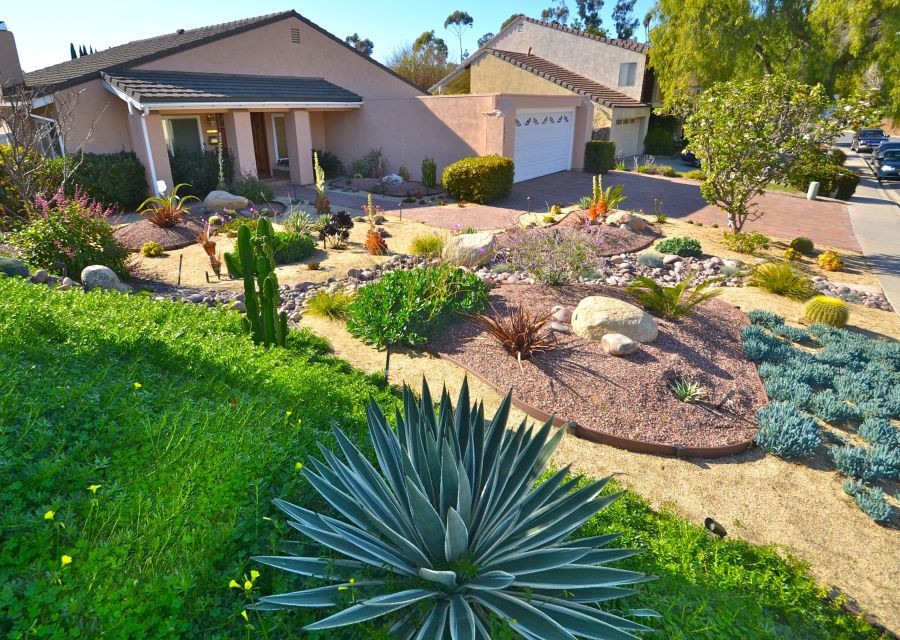

Spring: Wake Your Lawn Up the Right Way
As the frost melts and temperatures rise, your lawn begins to wake from its winter slumber. Spring is the season of preparation, and what you do now sets the tone for the entire year. Start with a light raking to remove dead grass and debris, which helps improve air circulation. Test your soil and apply a balanced fertilizer suited for the region’s needs, especially after months of nutrient loss. This is also the ideal time to dethatch and aerate if needed, allowing water and nutrients to penetrate more deeply. Overseeding thin areas will encourage thick, lush growth, while pre-emergent weed control helps stop crabgrass and other invaders before they begin. A well-planned spring routine lays the groundwork for a thriving lawn all year.
Summer: Keep It Green, Even When It’s Hot
Central Illinois summers can bring intense sun and unpredictable rain, which can stress even the healthiest lawns. Mowing becomes a balancing act—cut too short, and you risk damaging the grass, so it’s best to keep blades higher during heat waves. Watering deeply and less frequently encourages deep root growth, with early morning being the best time to avoid evaporation. Keep an eye out for signs of stress like discoloration or dry patches, and continue treating for weeds and pests as needed. Summer is also a good time to trim bushes and maintain clean edges for that sharp, polished look. Regular blowing and debris removal help prevent lawn disease and keep everything tidy. With the right attention, your lawn will stay green and inviting all summer long.
Fall: Repair, Restore, and Rejuvenate
Fall is the season of recovery after a long summer and preparation for the coming winter. The cooler temperatures and increased rainfall create ideal conditions for growth, making this the perfect time to oversee any bare or thinning spots. Core aeration is highly recommended in the fall to relieve soil compaction and help your lawn breathe before dormancy. A high-nitrogen fertilizer applied in early fall will give the grass the nutrients it needs to recover, while a winterized fertilizer later in the season helps strengthen roots. Leaf removal is crucial—too much organic debris can suffocate your lawn and encourage mold growth. Keep mowing until the grass stops growing, gradually lowering the blade height. Fall care helps your lawn rebound beautifully and strengthens it for the cold months ahead.
Winter: Prepare and Protect
While your lawn may be dormant, winter isn’t the time to ignore it. Snow, ice, and freezing temperatures can damage unprotected turf and hardscaping. Before the first snow hits, clean up debris and any large items left in the yard that can kill the grass beneath. Avoid walking on frozen or snow-covered lawns to prevent compaction and long-term damage. If you use salt for deicing, consider turf-safe alternatives to reduce harm to your grass and plants. Winter is also a great time to sharpen lawn tools, clean equipment, and plan for spring projects. Preparing in advance means you’ll hit the ground running when warmer weather returns.
Bonus Tips: Year-Round Lawn Care Musts
Some tasks are essential no matter the season, and keeping up with them makes every seasonal checklist more effective. Routine edging, trimming, and blowing help maintain a clean, organized appearance that enhances the work you put into each phase of lawn care. Don’t forget about regular bush trimming, which keeps shrubs healthy and visually appealing. Power washing walkways, patios, and driveways remove dirt and mold, helping your lawn stand out even more. Consider mulch refreshes and minor landscaping upgrades to keep the space visually interesting and seasonally appropriate. Consistency is what separates a good yard from a great one, and it ensures your lawn stays the envy of the block all year long.
Conclusion
A healthy, eye-catching lawn doesn’t happen by accident—it’s built season by season through consistent care and smart planning. Understanding the unique needs of your yard during spring, summer, fall, and winter ensures it looks its best no matter the weather. Central Illinois offers a dynamic climate, and with the right approach, your lawn can thrive through every shift in temperature and season. Whether you’re nurturing fresh growth in spring or protecting roots in winter, following this checklist helps you stay proactive, not reactive. With a little dedication and the right guidance, your yard won’t just be well-maintained—it’ll be the one everyone else wants to copy.